
AC Repair
Frausty HVAC follows the same inspection sequence on every call so that nothing is overlooked regardless of the equipment brand or age. Technicians document readings and conditions before any parts are installed.
Get a quoteHVAC · the USA
Frausty HVAC handles hvac work across the USA.
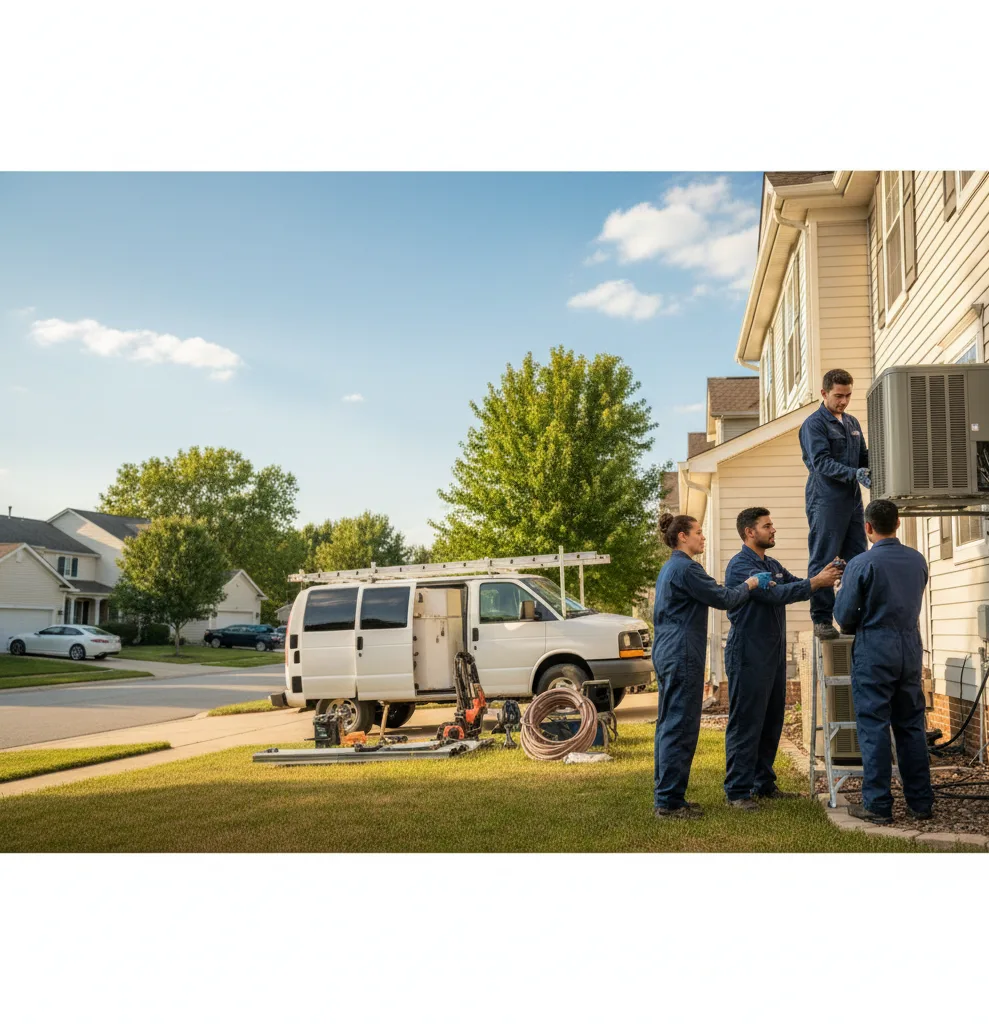
Every technician holds current state licenses and stays current with training on new equipment models and safety standards.
Technicians inspect electrical connections, refrigerant levels, airflow, and thermostat calibration during each visit.
Customers receive a written breakdown of parts and labor before any work begins so there are no surprises on the final bill.
Services
Frausty HVAC follows the same inspection sequence on every call so that nothing is overlooked regardless of the equipment brand or age. Technicians document readings and conditions before any parts are installed.
Get a quoteEach project follows a documented sequence that records measurements, model selections, and test results so the final installation matches the original plan. The same crew that performs the assessment returns for the install whenever possible.
Get a quoteThe company follows a documented checklist that covers the same components on every unit regardless of location. Records from each visit stay in a central system so future heating repair technicians have context without repeating questions.
Get a quoteTechnicians review the full heating system rather than replacing the first part that appears faulty. Findings are explained on site so owners understand the condition of the unit and the options available.
Get a quoteFrausty HVAC assigns one lead technician to each furnace installation so questions can be answered without relaying messages between multiple crews. All measurements and safety checks are recorded on a shared form that travels with the job.
Get a quoteTechnicians map every accessible section before starting and record the location of each access port. Equipment is selected to match duct size and material during AC installation so suction remains consistent without excess pressure on joints.
Get a quoteFrausty HVAC focuses on matching the right thermostat to each heating and cooling system. Technicians label wires, test connections, and confirm operation before leaving the site.
Get a quoteWork follows documented checklists that record measurements before and after maintenance. Replacement parts are selected to match the original equipment specifications rather than the lowest-cost alternative.
Get a quoteA unit that runs but no longer lowers indoor temperature usually has one of several common faults. Low refrigerant, a failing compressor, or restricted airflow from a clogged filter or dirty coil can all produce the same symptom. A technician begins by measuring supply and return air temperatures, then checks the outdoor condenser for debris or bent fins. Next the refrigerant pressures are read while the system operates. If pressures are off, the technician looks for leaks at the service valves, line set joints, or inside the evaporator coil. Electrical testing follows, confirming that contactors, capacitors, and fan motors are drawing the correct amperage. Once the root cause is identified, the technician explains the options in plain terms before any parts are ordered or replaced. Homeowners can help by performing regular maintenance such as changing filters monthly and keeping the outdoor unit clear of plants and lawn equipment so airflow stays steady.
Sometimes the problem sits at the wall control rather than inside the equipment itself. A thermostat that has lost calibration or has a drained backup battery can keep the system from turning on even when temperatures rise. Loose wiring behind the subbase or a failed transformer in the furnace or air handler can produce similar results. A quick voltage check at the control board shows whether power is reaching the thermostat. If the wiring is intact, the technician tests the anticipator setting and compares it against the equipment type. In heat pump systems the reversing valve and defrost control also need verification. These steps prevent unnecessary replacement of major components when a simple adjustment or part swap restores normal operation.
Our process
The sequence keeps the customer informed at each stage without unnecessary delays or hidden steps.
The process starts with a phone description of the symptoms so the technician can bring likely parts. On arrival the unit is turned off at the disconnect and breaker for safety. The technician removes access panels, inspects the evaporator coil for frost or dirt, and checks the condensate drain for clogs that could cause water damage. Electrical components are tested with a multimeter while the system is off, then powered up for operational readings. Any worn contactor, weak capacitor, or damaged wiring is noted and discussed before replacement. After repairs the system runs through a full cycle while temperatures and pressures are recorded again. The homeowner receives a written summary of what was found and what was corrected.
Age, repair frequency, and energy use help decide whether fixing the current unit makes sense. Equipment older than twelve to fifteen years often has reduced efficiency even after a repair. Repeated service calls for the same component usually signal deeper wear. A technician can compare the cost of the present repair against the expense of a new high-efficiency model, including changes in monthly energy bills. Homeowners who plan to stay in the property for several more years may benefit from replacement, while those expecting to move soon often choose repair. The final choice rests with the owner after the options and costs are laid out clearly.
Pricing
Final cost depends on the age of the equipment, access to components, and whether any refrigerant or electrical parts must be replaced. The figures below are starting points only.
AC diagnostic visit — starting at $149 Capacitor replacement — starting at $189 Contactor replacement — starting at $229 Fan motor replacement — $349-$529 Thermostat replacement — starting at $189 Refrigerant leak repair and recharge — $399-$799 Condenser coil cleaning — starting at $179 Evaporator coil cleaning — starting at $229 Condensate drain clearing — starting at $149 Full system tune-up — starting at $199
Rental owners and property managers often need equipment that runs reliably with minimal callbacks. Frausty HVAC documents every visit so owners have records for tenants and future sales. Older homes may have undersized ducts or outdated electrical service that affects modern equipment performance. Technicians note these conditions and suggest practical upgrades that fit the existing structure without major renovation.
Before calling, confirm that the thermostat is set to cool and that the breaker has not tripped. Replace the air filter if it looks gray or has been in place more than a month. Clear leaves or grass clippings from the outdoor cabinet so air can move freely across the coil. These steps eliminate simple causes and help the technician focus on the remaining issue when they arrive.
FAQ

Low refrigerant, a dirty evaporator coil, or reduced airflow from a clogged filter can all keep temperatures from dropping even though the fan is moving air. A technician measures the temperature difference between supply and return vents and checks refrigerant pressures to narrow the cause. Electrical components such as capacitors and contactors are also tested because they can fail without stopping the unit completely. Once the specific fault is found the options are explained before any parts are changed.
Age, frequency of repairs, and rising energy use are the main factors. Equipment past twelve to fifteen years often costs more to maintain than to replace. A technician can compare the expense of the current repair against the cost of a new unit and the expected change in monthly bills. Homeowners who expect to stay in the house for several years usually see better long-term value from replacement.
Monthly filter changes and keeping the outdoor cabinet free of debris help the most. Scheduling an annual tune-up lets a technician catch worn electrical parts and low refrigerant before they cause a breakdown. Written notes from each visit also show patterns that may point to an underlying issue such as undersized ductwork or an aging compressor.