HVAC · the USA
Frausty HVAC assigns one lead technician to each furnace installation so questions can be answered without relaying messages between multiple crews. All measurements and safety checks are recorded on a shared form that travels with the job.
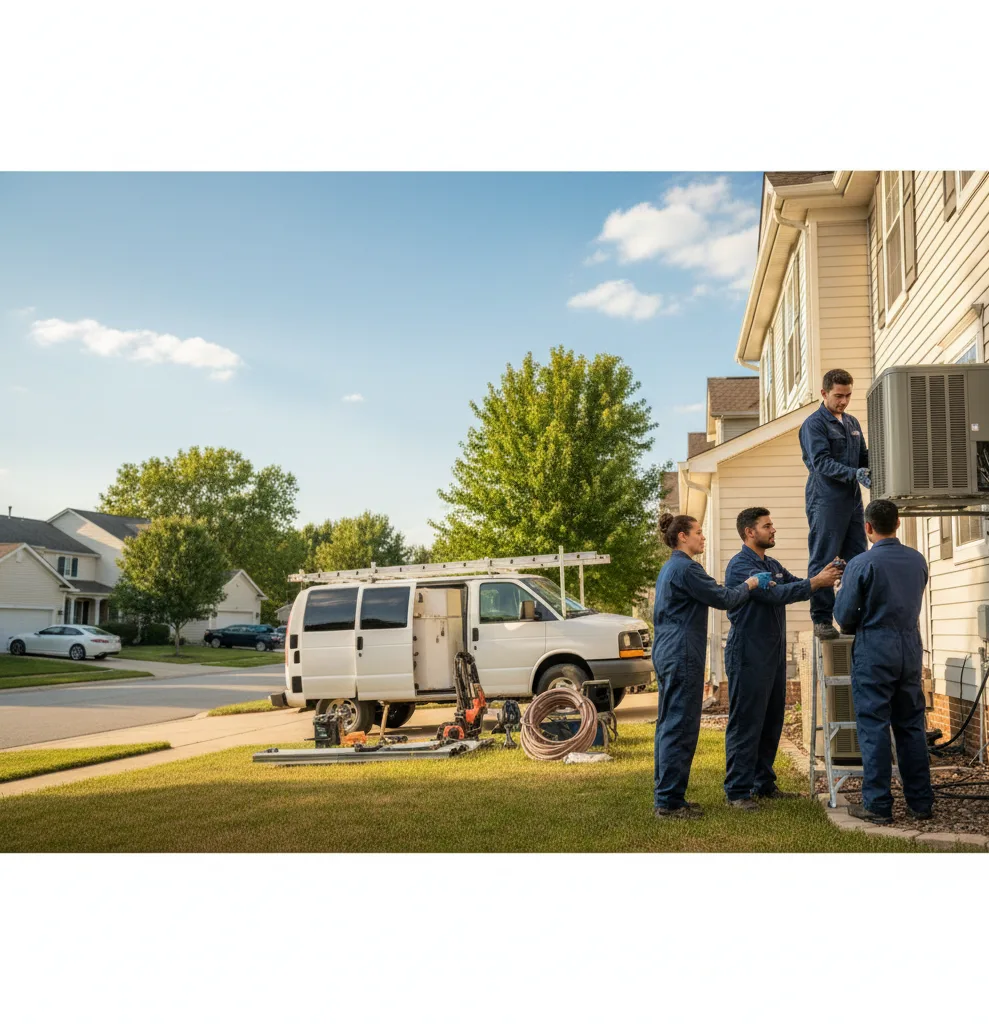
Homeowners often notice uneven temperatures between rooms or hear short cycling from the furnace. These patterns usually trace back to aging heat exchangers or motors that no longer maintain steady output. A technician measures supply and return temperatures, inspects the blower assembly, and checks for visible corrosion on the cabinet. When efficiency ratings fall below current minimums or repair costs approach half the price of a new unit, replacement becomes the practical step. The process begins with a load calculation that accounts for square footage, window orientation, and local weather data rather than relying on the size of the old equipment.
Restricted airflow from clogged filters or the need for air duct cleaning can make even a newer furnace struggle to keep indoor temperatures steady. In older homes, undersized return ducts or poorly sealed joints often limit how much air reaches the heat exchanger. Homeowners can check the filter first and note whether rooms farthest from the furnace feel cooler than others. If the unit runs continuously yet fails to reach the thermostat setting, a full diagnostic of the blower motor and capacitor is warranted. These checks help distinguish between simple maintenance needs and the point where heating repair gives way to a complete furnace installation that restores reliable heat.
FAQ

Low refrigerant, a dirty evaporator coil, or reduced airflow from a clogged filter can all keep temperatures from dropping even though the fan is moving air. A technician measures the temperature difference between supply and return vents and checks refrigerant pressures to narrow the cause. Electrical components such as capacitors and contactors are also tested because they can fail without stopping the unit completely. Once the specific fault is found the options are explained before any parts are changed.
Age, frequency of repairs, and rising energy use are the main factors. Equipment past twelve to fifteen years often costs more to maintain than to replace. A technician can compare the expense of the current repair against the cost of a new unit and the expected change in monthly bills. Homeowners who expect to stay in the house for several years usually see better long-term value from replacement.
Monthly filter changes and keeping the outdoor cabinet free of debris help the most. Scheduling an annual tune-up lets a technician catch worn electrical parts and low refrigerant before they cause a breakdown. Written notes from each visit also show patterns that may point to an underlying issue such as undersized ductwork or an aging compressor.