HVAC · the USA
Technicians review the full heating system rather than replacing the first part that appears faulty. Findings are explained on site so owners understand the condition of the unit and the options available.
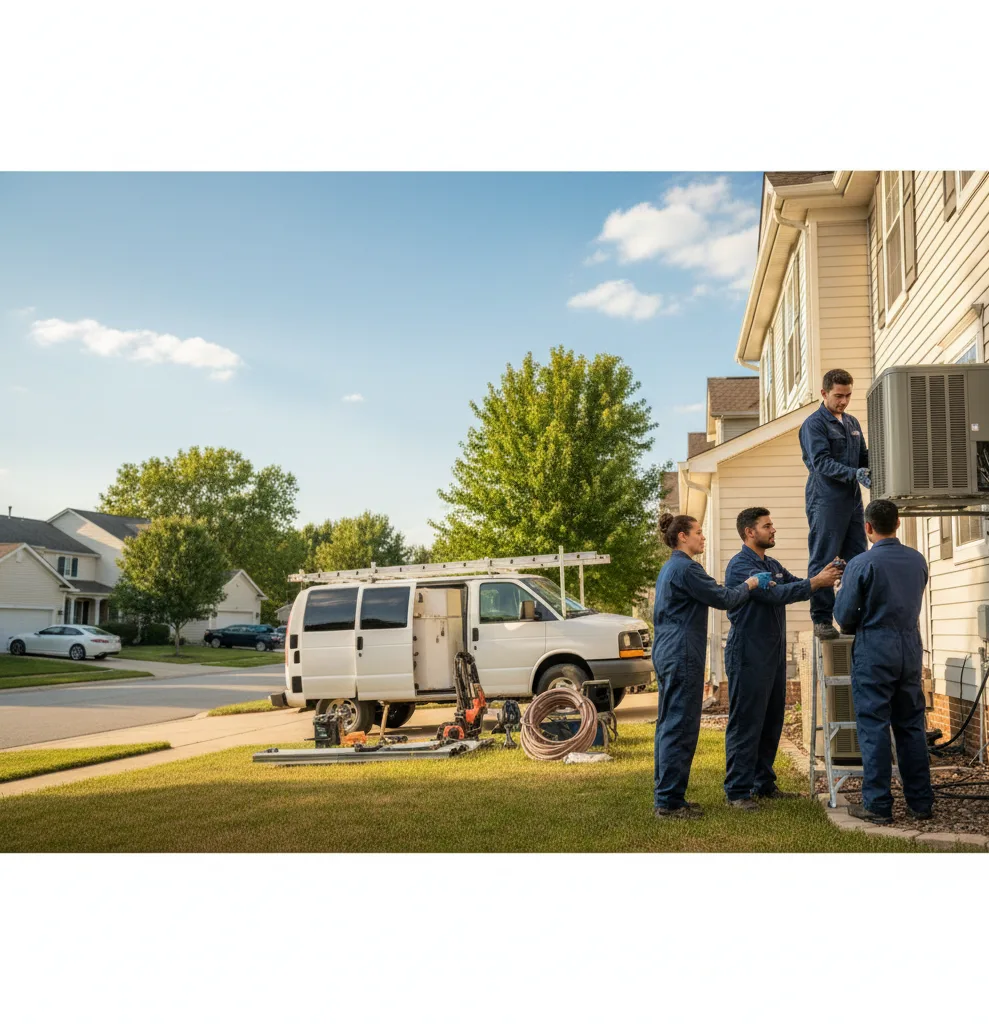
Heating systems lose performance for several concrete reasons. Dust buildup on the blower wheel restricts airflow and forces the unit to run longer. Worn igniters or dirty flame sensors prevent reliable startup. A cracked heat exchanger allows combustion gases to mix with the air stream. Technicians start by measuring temperature rise across the heat exchanger and checking static pressure in the ductwork. They inspect the condensate drain on high-efficiency models and test safety switches that shut the system down when limits are exceeded. Each step reveals whether the problem is electrical, mechanical, or related to fuel supply. Once the root cause is identified, the technician explains the condition of the components and outlines what repair would involve.
Rattling or squealing sounds often point to a failing blower motor or loose panels vibrating during operation. Uneven room temperatures can result from closed or blocked registers, collapsed duct sections, or a thermostat that has drifted out of calibration. Homeowners can note which rooms stay cold, whether the issue occurs only on the second floor, and how long the system runs before shutting off. These details help narrow the search before the visit. The technician then uses a combustion analyzer to verify proper fuel-to-air ratios and checks amp draw on motors to catch bearings that are beginning to seize. Addressing these items restores even heat distribution without replacing the entire unit.
FAQ
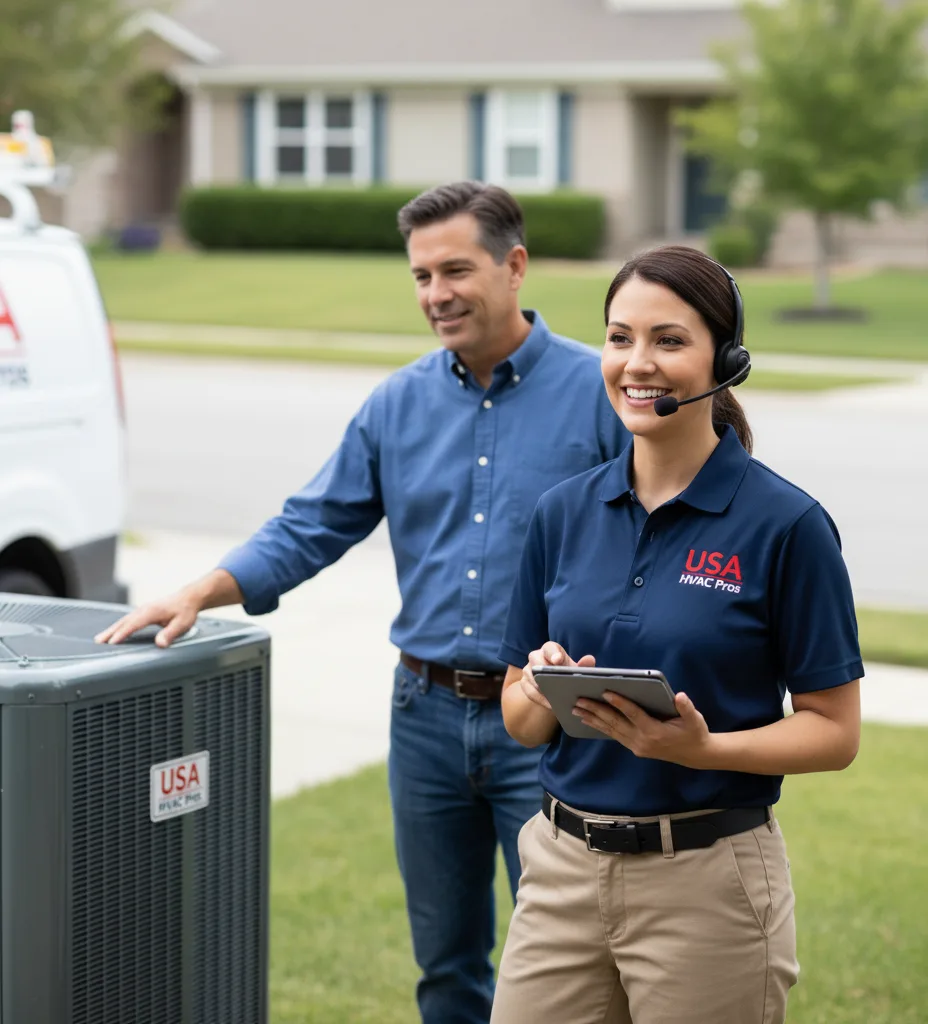
Low refrigerant, a dirty evaporator coil, or reduced airflow from a clogged filter can all keep temperatures from dropping even though the fan is moving air. A technician measures the temperature difference between supply and return vents and checks refrigerant pressures to narrow the cause. Electrical components such as capacitors and contactors are also tested because they can fail without stopping the unit completely. Once the specific fault is found the options are explained before any parts are changed.
Age, frequency of repairs, and rising energy use are the main factors. Equipment past twelve to fifteen years often costs more to maintain than to replace. A technician can compare the expense of the current repair against the cost of a new unit and the expected change in monthly bills. Homeowners who expect to stay in the house for several years usually see better long-term value from replacement.
Monthly filter changes and keeping the outdoor cabinet free of debris help the most. Scheduling an annual tune-up lets a technician catch worn electrical parts and low refrigerant before they cause a breakdown. Written notes from each visit also show patterns that may point to an underlying issue such as undersized ductwork or an aging compressor.