HVAC · the USA
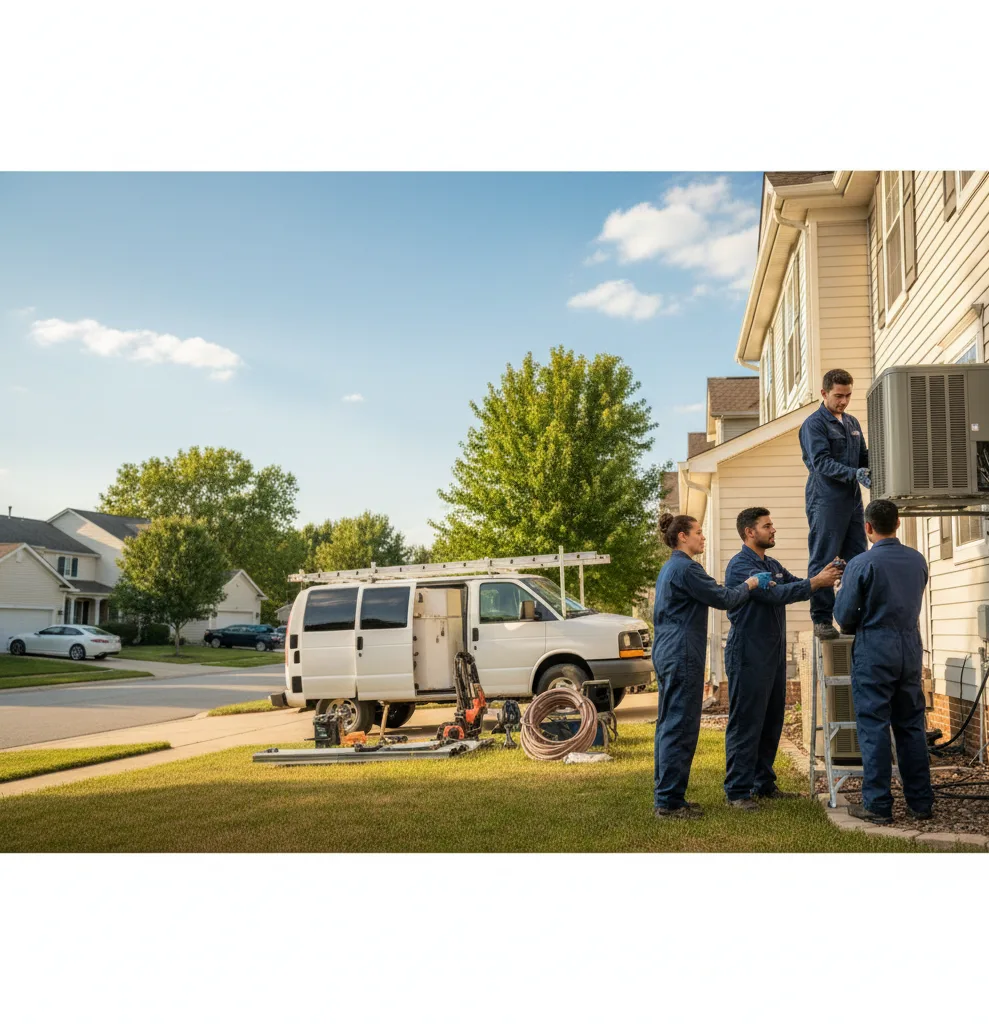
Frausty HVAC focuses on matching the right thermostat to each heating and cooling system. Technicians label wires, test connections, and confirm operation before leaving the site.
A thermostat that no longer holds the set temperature often shows signs such as the display going blank or the heating and cooling cycles running too long. Loose wires behind the wall plate can break the signal between the device and the furnace or air handler. Dust buildup on the sensor may cause it to read the room temperature wrong. Age also plays a role; older mechanical models lose calibration over time and begin to drift several degrees from the actual room conditions. Homeowners sometimes notice short cycling where the equipment turns on and off rapidly without reaching the desired setting. In other cases the unit fails to switch between heat and cool modes when the season changes. Checking the batteries first rules out a simple power issue before any further steps are taken.
The technician starts by turning off power at the breaker and removing the old thermostat from its base plate. Each wire gets labeled to keep track of its function before the plate comes off the wall. The new base is mounted level so the display reads correctly. Wires go to the matching terminals and any unused ones get capped. Once everything is secured the power is restored and the new device is programmed for the home’s schedule. Final checks include confirming fan operation and verifying that the temperature reading matches a separate thermometer placed nearby.
FAQ

Low refrigerant, a dirty evaporator coil, or reduced airflow from a clogged filter can all keep temperatures from dropping even though the fan is moving air. A technician measures the temperature difference between supply and return vents and checks refrigerant pressures to narrow the cause. Electrical components such as capacitors and contactors are also tested because they can fail without stopping the unit completely. Once the specific fault is found the options are explained before any parts are changed.
Age, frequency of repairs, and rising energy use are the main factors. Equipment past twelve to fifteen years often costs more to maintain than to replace. A technician can compare the expense of the current repair against the cost of a new unit and the expected change in monthly bills. Homeowners who expect to stay in the house for several years usually see better long-term value from replacement.
Monthly filter changes and keeping the outdoor cabinet free of debris help the most. Scheduling an annual tune-up lets a technician catch worn electrical parts and low refrigerant before they cause a breakdown. Written notes from each visit also show patterns that may point to an underlying issue such as undersized ductwork or an aging compressor.