HVAC · the USA
Each project follows a documented sequence that records measurements, model selections, and test results so the final installation matches the original plan. The same crew that performs the assessment returns for the install whenever possible.
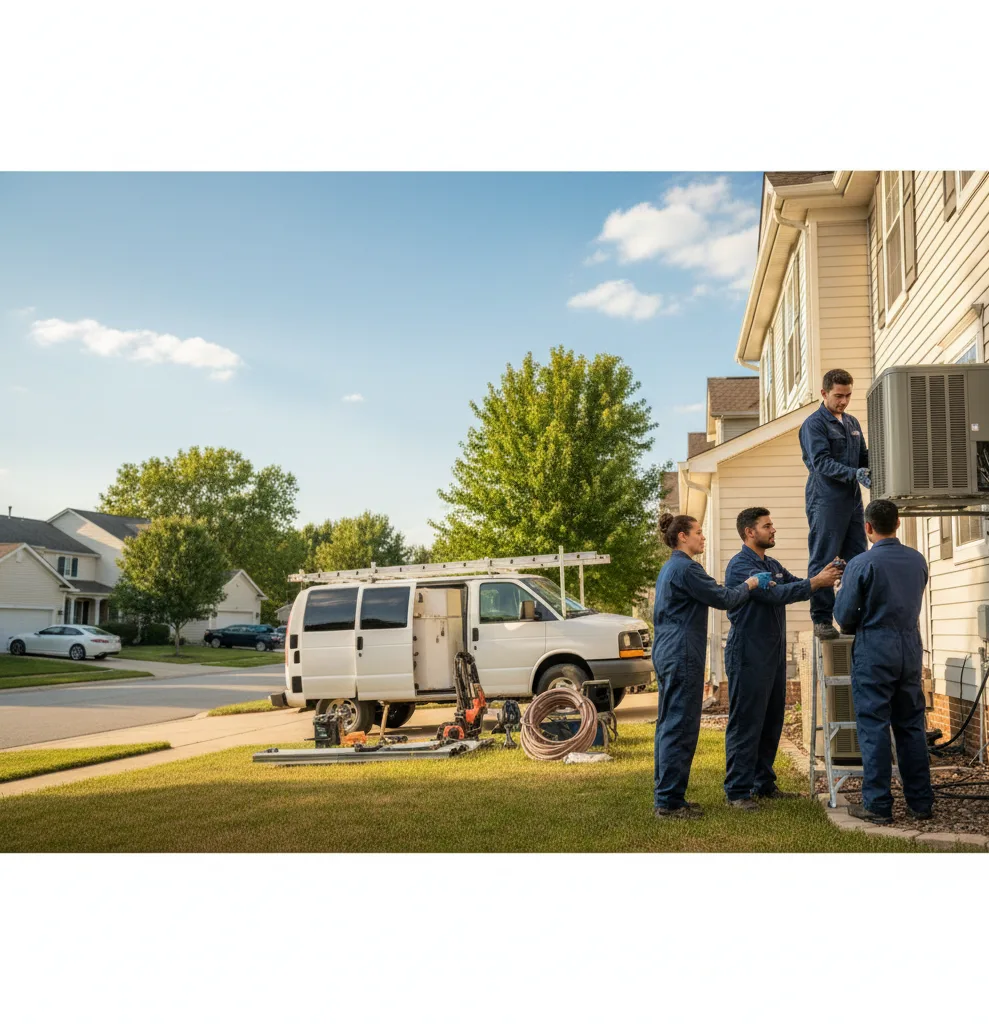
Homeowners often notice uneven temperatures between rooms, longer run times, or higher humidity even when the thermostat is set correctly. These signs usually point to an aging compressor, leaking refrigerant lines, or ducts that no longer match the current layout of the house. A full replacement starts by pulling the old outdoor condenser and indoor air handler. Then we check the existing line set and electrical service for corrosion or undersized wiring. New equipment goes on level pads with proper clearances, and the refrigerant lines get pressure-tested before evacuation. Once the system is charged, supply and return temperatures are recorded to confirm the expected temperature split. Openings where the new lines go through the building get sealed so moisture and pests stay out.
The thermostat may be moved for better airflow sensing, and condensate drains are rerouted if the original slope is off. In homes with limited attic space, a packaged unit on the roof or a side-yard setup can sometimes cut down on duct changes. Filters, drain pans, and accessible coils are cleaned before the final walkthrough so the homeowner sees exactly where routine maintenance will happen.
FAQ

Low refrigerant, a dirty evaporator coil, or reduced airflow from a clogged filter can all keep temperatures from dropping even though the fan is moving air. A technician measures the temperature difference between supply and return vents and checks refrigerant pressures to narrow the cause. Electrical components such as capacitors and contactors are also tested because they can fail without stopping the unit completely. Once the specific fault is found the options are explained before any parts are changed.
Age, frequency of repairs, and rising energy use are the main factors. Equipment past twelve to fifteen years often costs more to maintain than to replace. A technician can compare the expense of the current repair against the cost of a new unit and the expected change in monthly bills. Homeowners who expect to stay in the house for several years usually see better long-term value from replacement.
Monthly filter changes and keeping the outdoor cabinet free of debris help the most. Scheduling an annual tune-up lets a technician catch worn electrical parts and low refrigerant before they cause a breakdown. Written notes from each visit also show patterns that may point to an underlying issue such as undersized ductwork or an aging compressor.