HVAC · the USA
Frausty HVAC follows the same inspection sequence on every call so that nothing is overlooked regardless of the equipment brand or age. Technicians document readings and conditions before any parts are installed.
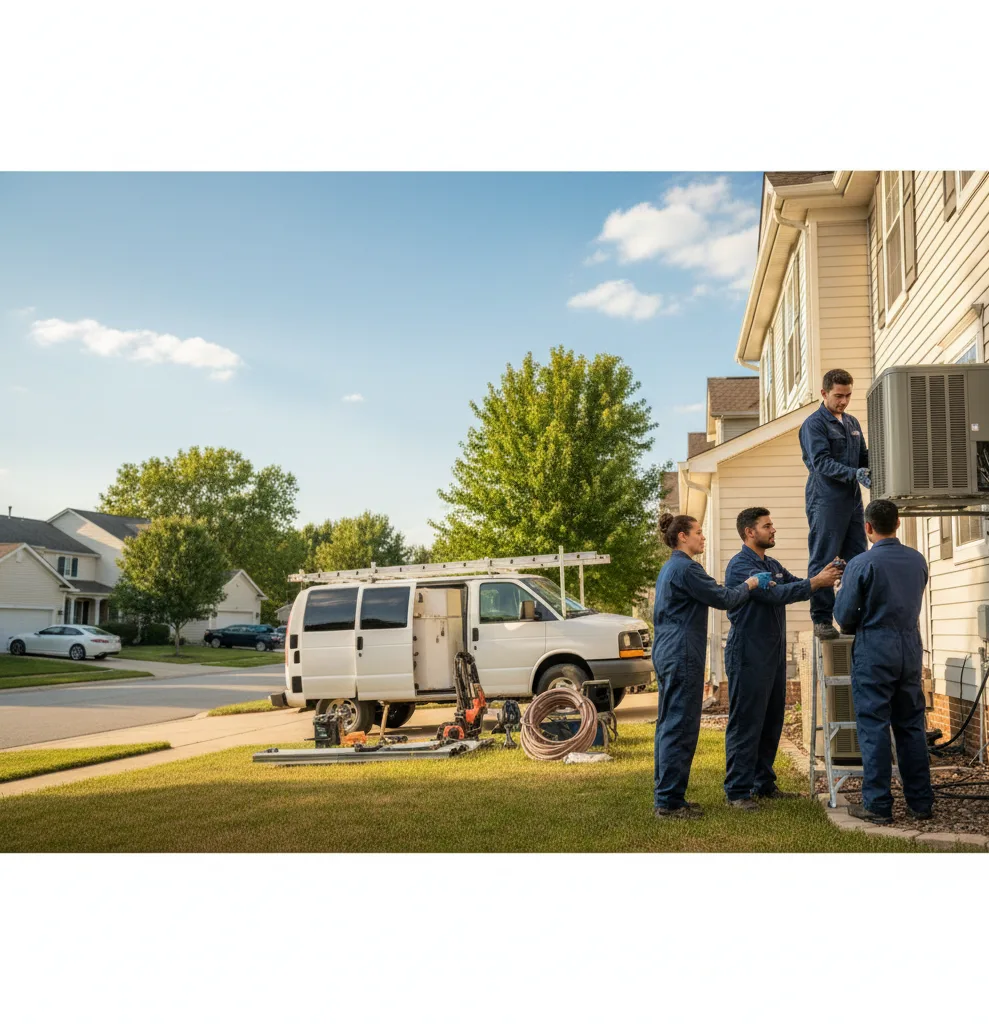
When an air conditioner begins to run longer than usual or leaves some rooms warmer than others, the cause is frequently a worn capacitor, a low refrigerant level, or restricted airflow across the evaporator coil. Frausty HVAC technicians measure static pressure, check temperature splits, and inspect the condensate drain to see which part of the circuit is underperforming. They then explain the findings in plain terms so the property owner understands whether a minor adjustment or a larger repair is required. This methodical approach prevents repeated service calls for the same underlying issue.
Loose wiring at the contactor, a failing run capacitor, or heavy dust buildup on the condenser fins can each cause the compressor to overheat or short-cycle. Homeowners sometimes notice the outdoor unit shutting off after only a few minutes or hear a persistent humming that stops when the thermostat is turned down. Checking voltage at the disconnect and cleaning the coils restores normal operation in many cases. When the motor itself shows signs of wear, replacement is discussed before any parts are ordered.
FAQ

Low refrigerant, a dirty evaporator coil, or reduced airflow from a clogged filter can all keep temperatures from dropping even though the fan is moving air. A technician measures the temperature difference between supply and return vents and checks refrigerant pressures to narrow the cause. Electrical components such as capacitors and contactors are also tested because they can fail without stopping the unit completely. Once the specific fault is found the options are explained before any parts are changed.
Age, frequency of repairs, and rising energy use are the main factors. Equipment past twelve to fifteen years often costs more to maintain than to replace. A technician can compare the expense of the current repair against the cost of a new unit and the expected change in monthly bills. Homeowners who expect to stay in the house for several years usually see better long-term value from replacement.
Monthly filter changes and keeping the outdoor cabinet free of debris help the most. Scheduling an annual tune-up lets a technician catch worn electrical parts and low refrigerant before they cause a breakdown. Written notes from each visit also show patterns that may point to an underlying issue such as undersized ductwork or an aging compressor.