HVAC · the USA
Work follows documented checklists that record measurements before and after maintenance. Replacement parts are selected to match the original equipment specifications rather than the lowest-cost alternative.
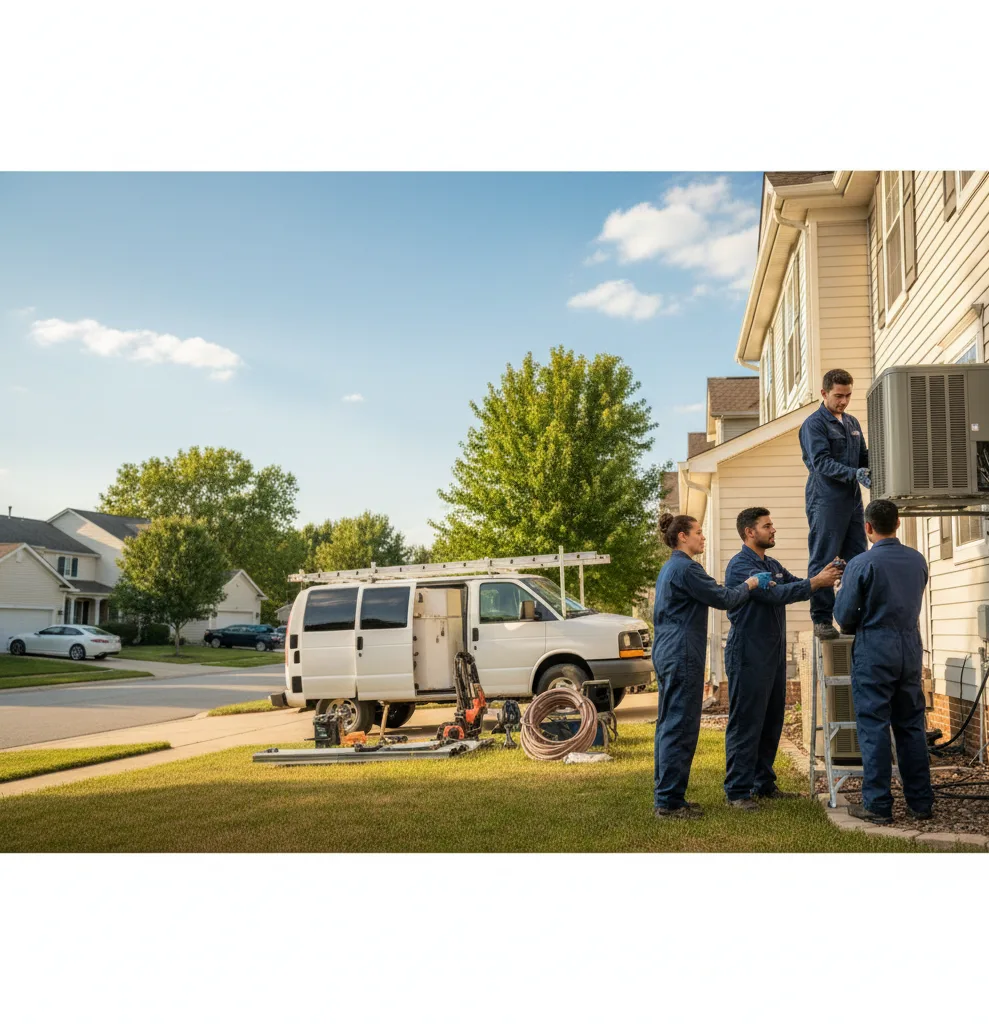
A sudden loss of heat or cooling often begins with small signals such as short cycling, unusual noises, or weak airflow from vents. Checking the thermostat settings and air filter first can rule out simple causes. Persistent problems usually trace to the capacitor, blower motor, or heat exchanger. A technician measures electrical draw, tests safety switches, and inspects the condensate drain for blockages that can shut the system down. These steps identify whether repair can restore the unit or whether age and wear make replacement the more practical choice.
Gas furnaces frequently lose ignition due to dirty burners or failing hot-surface igniters, while air conditioners often stop from low refrigerant or seized compressor contactors. Technicians check flue pipes for proper draft and examine wiring connections that loosen over time from vibration. Documenting each reading allows the homeowner to understand the scope of work and decide between repair and replacement based on the equipment's remaining service life.
FAQ

Low refrigerant, a dirty evaporator coil, or reduced airflow from a clogged filter can all keep temperatures from dropping even though the fan is moving air. A technician measures the temperature difference between supply and return vents and checks refrigerant pressures to narrow the cause. Electrical components such as capacitors and contactors are also tested because they can fail without stopping the unit completely. Once the specific fault is found the options are explained before any parts are changed.
Age, frequency of repairs, and rising energy use are the main factors. Equipment past twelve to fifteen years often costs more to maintain than to replace. A technician can compare the expense of the current repair against the cost of a new unit and the expected change in monthly bills. Homeowners who expect to stay in the house for several years usually see better long-term value from replacement.
Monthly filter changes and keeping the outdoor cabinet free of debris help the most. Scheduling an annual tune-up lets a technician catch worn electrical parts and low refrigerant before they cause a breakdown. Written notes from each visit also show patterns that may point to an underlying issue such as undersized ductwork or an aging compressor.