HVAC · the USA
Technicians map every accessible section before starting and record the location of each access port. Equipment is selected to match duct size and material during AC installation so suction remains consistent without excess pressure on joints.
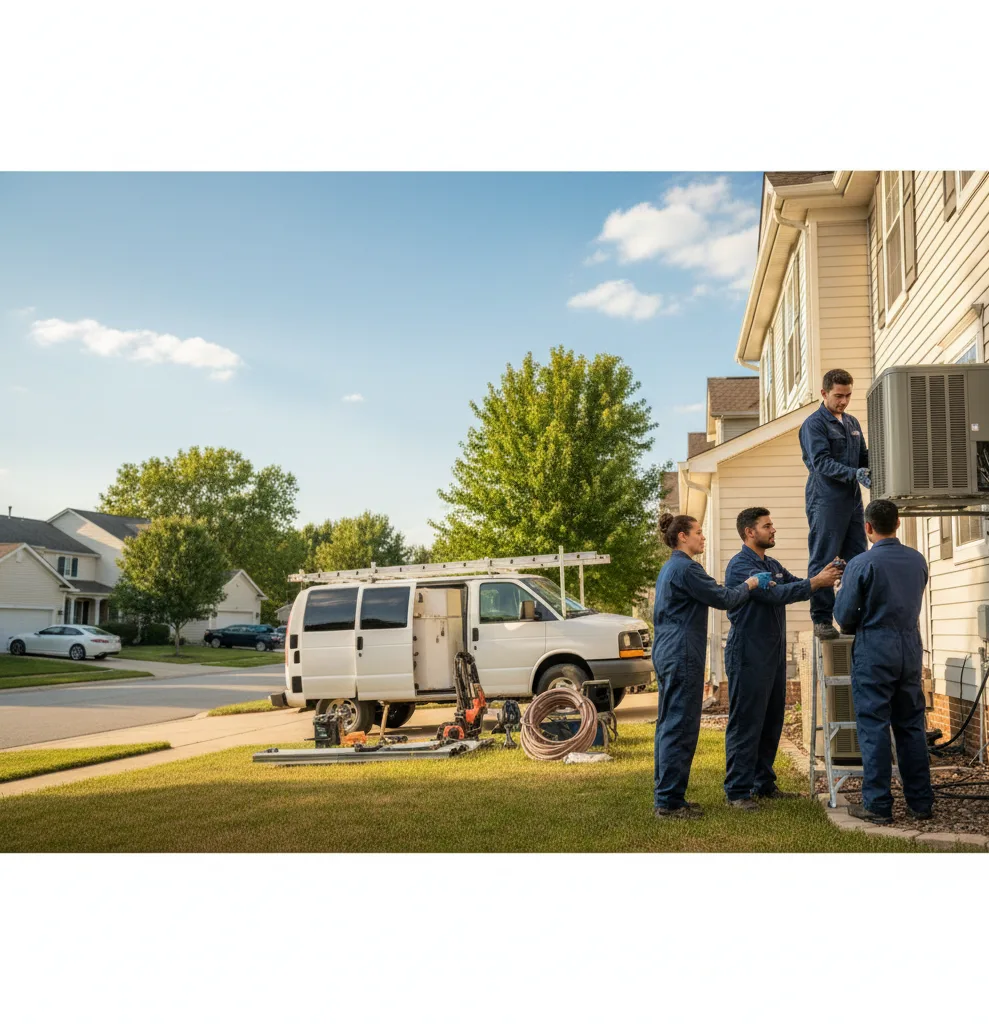
Dust accumulation around vents, uneven temperatures between rooms often addressed during AC repair, and a persistent musty odor often point to material inside the ductwork. A technician begins by mapping the full run of supply and return lines from the air handler outward. Visual inspection with a camera or mirror reveals loose insulation, pet hair, or construction debris that has settled over time. Once the extent is documented, the team seals off sections and connects vacuum equipment at the farthest points to pull material toward the collection unit. Registers are removed and cleaned separately so loosened particles do not re-enter the space. The process ends with a second pass to confirm no loose debris remains in the visible sections.
Filters that are changed infrequently during AC maintenance allow fine particles to travel farther into the system. Homes with recent renovations or older carpeting tend to show higher volumes of dust and fibers. In humid conditions, moisture can combine with organic matter to create conditions for mold growth on interior surfaces. Homeowners can check for these indicators by removing a register and looking several inches into the duct with a flashlight, though deeper sections require professional equipment. Addressing the visible portion alone rarely resolves the full restriction.
FAQ

Low refrigerant, a dirty evaporator coil, or reduced airflow from a clogged filter can all keep temperatures from dropping even though the fan is moving air. A technician measures the temperature difference between supply and return vents and checks refrigerant pressures to narrow the cause. Electrical components such as capacitors and contactors are also tested because they can fail without stopping the unit completely. Once the specific fault is found the options are explained before any parts are changed.
Age, frequency of repairs, and rising energy use are the main factors. Equipment past twelve to fifteen years often costs more to maintain than to replace. A technician can compare the expense of the current repair against the cost of a new unit and the expected change in monthly bills. Homeowners who expect to stay in the house for several years usually see better long-term value from replacement.
Monthly filter changes and keeping the outdoor cabinet free of debris help the most. Scheduling an annual tune-up lets a technician catch worn electrical parts and low refrigerant before they cause a breakdown. Written notes from each visit also show patterns that may point to an underlying issue such as undersized ductwork or an aging compressor.